

How Weather Could Shift Spring Bird Migration in 2026
Every spring, millions of birds begin one of nature’s most remarkable journeys, traveling thousands of miles from their winter habitats to breeding grounds across the United States and Canada. Between weather patterns, temperature changes and seasonal conditions, bird migration doesn’t follow a perfect calendar, and all these factors play an important role in determining when birds begin moving north.
As we move into spring bird migration in 2026, scientists and wildlife observers are already watching weather patterns closely. Warmer winter temperatures in some regions and major late-season storms in others could influence when birds migrate, where they stop along the way and how quickly they reach their breeding grounds.
For birdwatchers, hunters, wildlife photographers and outdoor enthusiasts, these weather patterns could shape how migration looks this year.
Why Weather Matters for Spring Bird Migration
Bird migration is primarily triggered by changes in day length, which signal seasonal transitions. As days grow longer, birds begin preparing for migration and breeding. However, weather conditions ultimately determine how migration unfolds in real time.
Temperature, wind direction and food availability influence:
- When birds leave winter habitats
- How quickly they travel north
- Where they pause during migration
- When they arrive at breeding grounds
Because of this, migration timing can vary significantly from year to year depending on seasonal weather patterns.
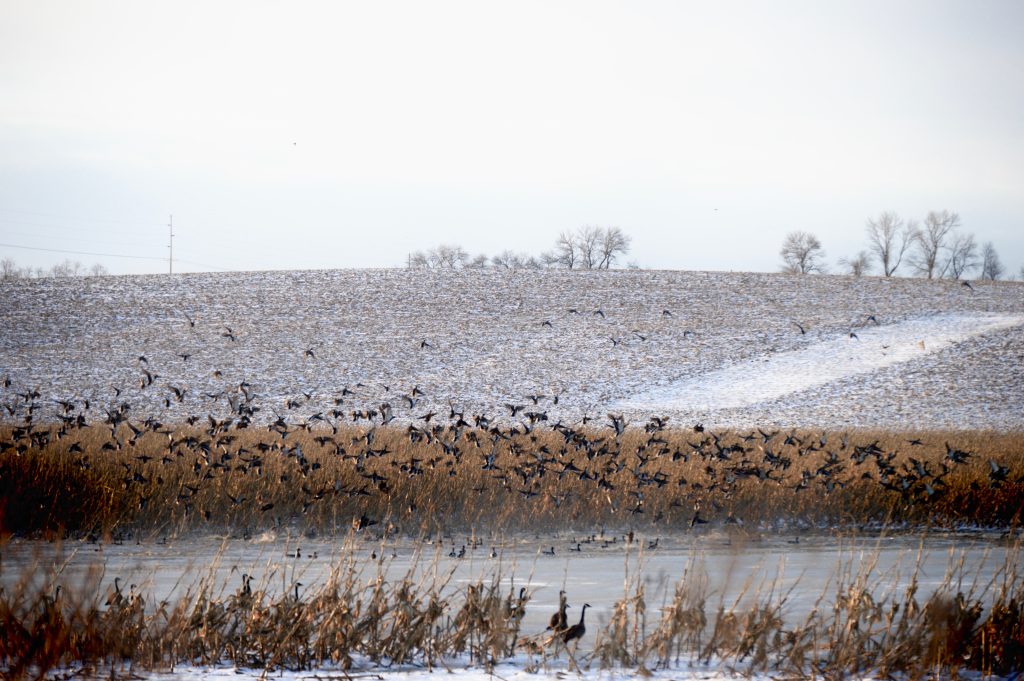
Warmer Winters Can Lead to Earlier Migration
One of the biggest factors influencing spring bird migration in 2026 may be warmer-than-average winter temperatures across parts of North America. When winters are mild and early spring temperatures arrive sooner, birds may begin migrating earlier than expected.
Warmer conditions can trigger migration by creating:
- Earlier insect activity
- Earlier plant growth
- Open water sources sooner in the season
These changes provide the food resources birds rely on during their journey north. Researchers from the National Audubon Society have already documented that some migratory bird species are arriving at northern breeding grounds days or even weeks earlier than historical averages, a trend linked to rising seasonal temperatures.
Storms Can Pause Migration and Create Sudden Surges
While warm weather may accelerate migration, storms can temporarily halt it. Birds depend heavily on favorable wind conditions for long-distance flights. When strong storm systems move through migration corridors, birds often stop and wait for safer travel conditions.
This creates a pattern where migration happens in waves:
- Birds gather at temporary stopover locations
- Storms delay movement for several days
- Once conditions improve, large numbers resume migration all at once
For birdwatchers and photographers, these weather-driven surges can create spectacular migration events as flocks suddenly move north together.
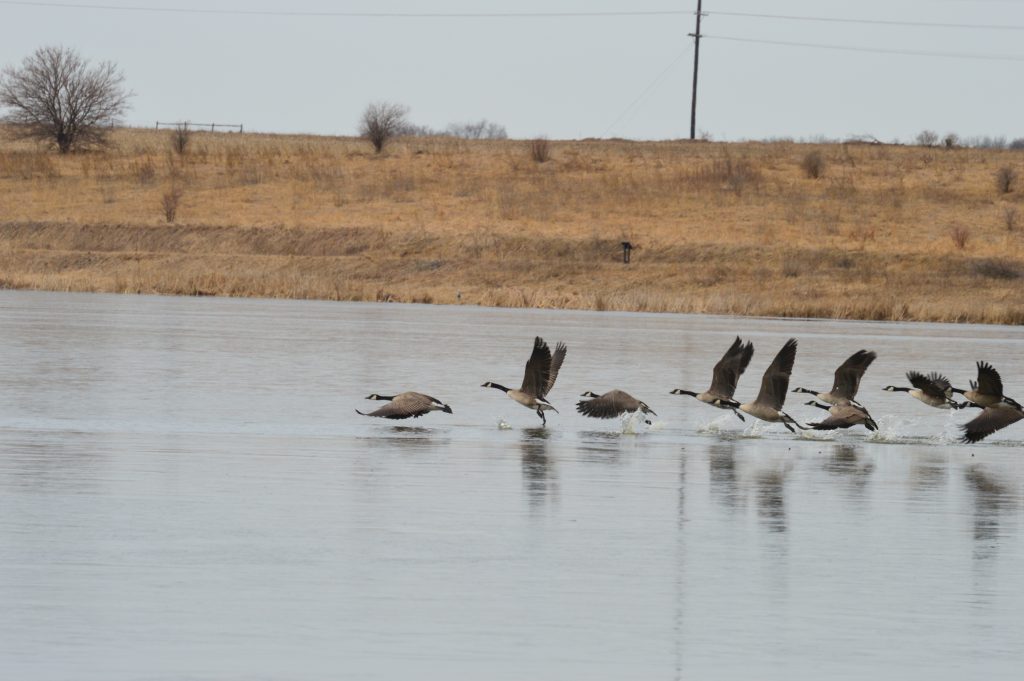
Migration Routes Can Shift From Year to Year
Weather patterns also affect where birds stop along migration routes. Migrating birds depend on habitats such as wetlands, forests and grasslands where they can rest and refuel during long journeys. If environmental conditions change in those locations, birds may alter their routes to find better feeding opportunities.
In some years, this can lead to:
- Larger concentrations of birds in specific regions
- New stopover locations are appearing along migration corridors
- Migration peaks occurring earlier or later than expected
Because of these shifts, every migration season brings slightly different patterns.
What This Means for Outdoor Enthusiasts
For people who spend time outdoors, spring bird migration in 2026 may bring a season slightly earlier and more variable than usual. Weather-driven changes can affect:
- Birdwatching: Peak migration viewing windows may arrive earlier in some regions if warm temperatures accelerate movement.
- Wildlife photography: Large migration waves often occur after storms clear, creating dramatic opportunities to photograph birds in flight.
- Hunting and conservation: Long-term migration changes could eventually influence wildlife management decisions and seasonal timing.
Understanding how the weather influences migration can help outdoor enthusiasts anticipate when activity will be strongest.

The Bigger Picture
Environmental conditions have always shaped bird migration. Weather patterns, food availability and habitat quality have influenced migration timing for thousands of years. What scientists are increasingly observing is that long-term climate trends may gradually shift those patterns.
As spring bird migration in 2026 unfolds, warmer temperatures combined with occasional storm systems could create a migration season marked by earlier arrivals, temporary pauses and bursts of activity as birds continue their journey north.
For anyone who enjoys spending time outdoors, keeping an eye on both the skies and the weather forecast may offer the best clues about when the next wave of migration will arrive.